7 Signs Your TMJ Problem May Actually Be a Clenching Problem and What to Do About It
New Paragraph
Jaw pain doesn't always start with the jaw joint itself. A lot of the time, the real issue is what your teeth and jaw muscles are doing all day, or all night while you sleep. Frequent clenching or grinding, known as bruxism, puts extra strain on the chewing muscles and jaw joints, and it can end up looking exactly like a TMJ problem.
That distinction matters, because the right approach starts with understanding what's actually causing your symptoms. If you're searching for TMJ treatments in Monroe, it's worth asking whether clenching is part of the picture first.
At Martinez & Martinez Family Dental Care, we look at your symptoms, dental health, and jaw function together, rather than assuming every jaw complaint has the same cause.
1. Your Jaw Feels Tired or Tight
Does your jaw feel worn out after waking up, eating, or a long stretch of concentrating? Ongoing tightness in the chewing muscles can be a sign they're working harder than they should.
Clenching doesn't always come with obvious grinding sounds. Sometimes you just hold your teeth together without noticing. Over time, that repeated muscle activity leaves your jaw feeling tense, sore, or fatigued.
If that sounds familiar, TMJ treatments in Monroe should start with figuring out whether clenching is behind the discomfort.
2. You Wake Up With Headaches
Morning headaches have plenty of possible causes, but they can also show up alongside nighttime bruxism. When you clench or grind repeatedly while asleep, the muscles around your jaw and face can stay active for hours.
You might notice discomfort around the temples, forehead, or sides of the face when you wake up. If these headaches keep happening along with jaw soreness or tooth sensitivity, bring it up at your dental visit.
When we talk through options for jaw pain, we look at patterns, when the pain starts, what makes it worse, and whether it's stronger in the morning.
3. Your Teeth Look More Worn Than They Used To
Take a close look at your teeth.
- Do the edges look flatter than before?
- Any small chips?
- Spots where the enamel looks noticeably worn?
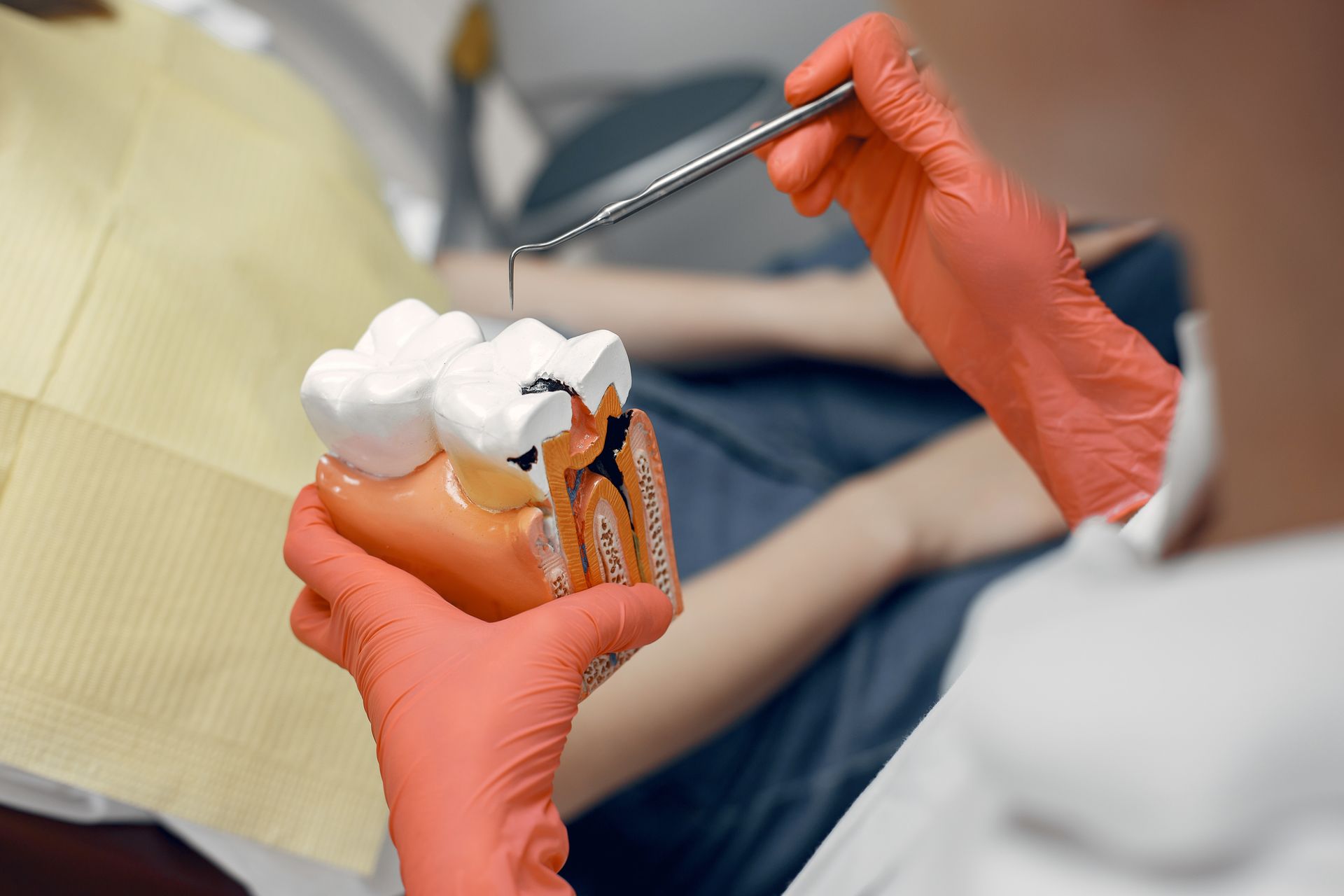
Repeated grinding can flatten, chip, crack, or wear down teeth over time. It can also make teeth more sensitive as enamel wears away.
Not every case of tooth wear comes from clenching, so don't jump to conclusions based on looks alone. Still, unusual wear is a useful clue.
A dental evaluation can help figure out whether TMJ treatments in Monroe, or an approach built around bruxism specifically, fits your situation.
4. You Catch Yourself Clenching During the Day
One of the easiest signs to miss is simply noticing your teeth are touching when they don't need to be.
Maybe it happens while you're driving, working at a computer, exercising, concentrating hard, or dealing with something stressful. A lot of people only notice the habit once their jaw starts to ache. Try checking in with your jaw a few times a day.
- Are your teeth pressed together?
- Do your jaw muscles feel tense?
If so, gently relaxing your jaw and keeping your teeth apart outside of eating can help cut down on unnecessary muscle activity.
Simple awareness like this is one of the most common ways bruxism gets managed.
5. Your Jaw Hurts More After Stressful Days
Stress doesn't explain every case of jaw pain, but it's connected to bruxism often enough to matter. NIDCR lists psychosocial factors, stress, nervousness, distress, among the things that may play a role in bruxism.
You might notice a pattern: your jaw feels fine on relaxed days, then gets sore after a demanding workday or a stretch of tension.
These patterns are genuinely useful when we're evaluating patients looking into TMJ treatments in Monroe. Knowing when symptoms show up helps us understand whether clenching and muscle activity are driving them.
6. Your Jaw Clicks or Pops Along With Pain
Clicking or popping sounds can be unsettling, but a sound on its own doesn't automatically mean you need treatment. NIDCR notes that painless jaw sounds are common and usually don't require any intervention.
It's a different story when clicking or popping comes with pain, stiffness, limited movement, or locking.
If your jaw hurts when you open or close your mouth, tell us. An evaluation can pin down whether the issue involves the jaw joint, the surrounding muscles, clenching, or something else entirely.
That's a key part of choosing the right TMJ treatments in Monroe, instead of treating a symptom without understanding what's causing it.
7. Your Teeth Are Sensitive Without an Obvious Cavity
Tooth sensitivity isn't always about decay. Clenching and grinding can wear down teeth and make them sensitive, especially once the enamel gets damaged.
If several teeth suddenly feel sensitive, especially alongside jaw soreness or visible wear, mention it during your exam. We can check for wear, cracks, gum-related causes, decay, or other explanations.
That can help determine whether TMJ treatments in Monroe should be part of a broader plan for protecting your teeth and easing strain on your jaw.
What Should You Do If You Think You Are Clenching?
Start by paying attention to when your jaw gets tense. Keep a simple note of when it happens, after waking up, during work, after something stressful.
Skip habits that add extra strain, like frequent gum chewing. If symptoms stick around, book an evaluation instead of trying to self-diagnose, that's the first real step toward the right TMJ treatments in Monroe.
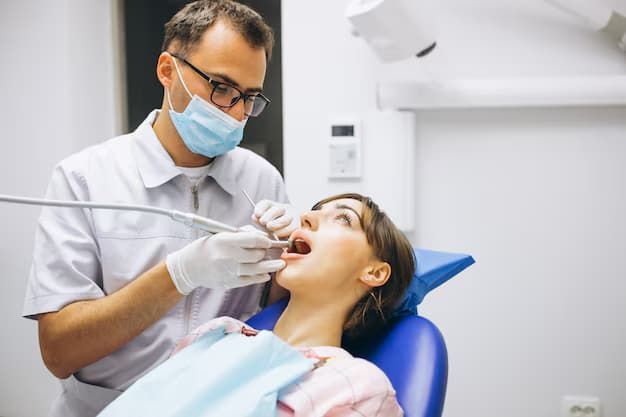
We examine your teeth, jaw muscles, and symptoms, then talk through what makes sense. Depending on what we find, that might mean habit awareness, stress-management strategies, or an oral appliance to protect your teeth. NIDCR recommends starting with conservative approaches for most TMD issues, and avoiding treatments that permanently change the teeth or bite without a clear reason to.
It's also worth remembering that not every headache, toothache, or jaw symptom comes from clenching. A proper evaluation rules out other dental or medical causes before anything gets treated.
Conclusion
A "TMJ problem" can sometimes have more to do with repeated clenching or grinding than the jaw joint itself. Jaw fatigue, morning headaches, tooth wear, daytime clenching, stress-related soreness, painful jaw sounds, and unexplained sensitivity are all worth paying attention to.
If you're weighing TMJ treatments in Monroe, don't focus only on relieving the pain. Understanding what's actually causing it comes first.
At Martinez & Martinez Family Dental Care, we take the time to listen to your symptoms, examine your oral health, and walk you through your options. Our goal is simple, thoughtful care based on what we actually find, so you can make an informed decision about your jaw and dental health.