Why Waiting to Replace One Missing Tooth with Dental Implants Often Creates Bigger Problems Later
Waiting to replace a missing tooth allows surrounding teeth to shift, the jawbone to shrink, and bite alignment to change. These gradual changes make future treatment more complex and costly. Early replacement with dental implants helps preserve bone structure, maintain proper function, and prevent long-term oral health complications.
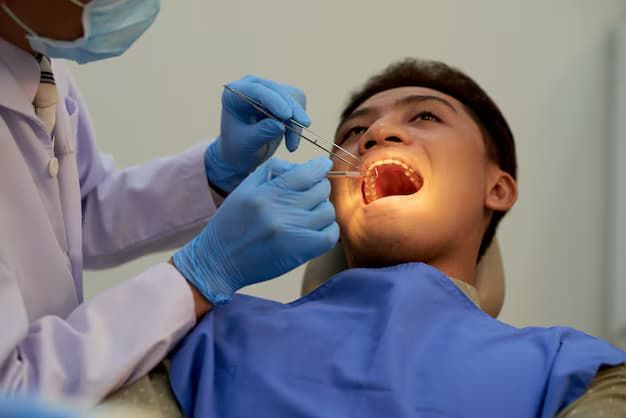
The concern “Are dental implants painful?” usually comes from imagining the surgery rather than experiencing it. In reality, the procedure is controlled, precise, and designed to keep discomfort at a minimum. At Martinez & Martinez Family Dental Care, we take extra care to ensure patients are fully comfortable before we begin, and we explain each step so there are no surprises. For most patients, the procedure feels similar to a routine tooth extraction or even easier.
Are dental implants painful after the surgery?
Mild soreness after implant surgery is normal, but it is usually manageable and short-lived. Most patients describe it as tenderness in the gum area rather than sharp pain, and it typically improves within a few days.
When patients ask, “Are dental implants painful?”, they are often concerned about recovery disrupting daily life. In most cases, over-the-counter pain relief and simple home care are enough to manage any discomfort. Swelling may occur for a short time, but it gradually reduces as healing progresses. We provide clear aftercare instructions so recovery remains predictable and stress-free.
Do dental implants cause more pain than living with a missing tooth?
Leaving a missing tooth untreated does not usually cause immediate pain, but it can create serious long-term oral health issues. Over time, surrounding teeth may shift, chewing pressure becomes uneven, and the jawbone begins to shrink due to a lack of stimulation.
For patients asking, “Are dental implants painful?”, it is important to understand that avoiding treatment often leads to more discomfort later than the implant procedure itself. What starts as a single missing tooth can gradually affect bite alignment and even facial structure. In many cases, delayed treatment leads to more complex dental work that could have been avoided with earlier intervention.
How painful are dental implants for patients who feel anxious about dental treatment?
Dental anxiety often makes patients assume the procedure will be more painful than it actually is. In reality, “Are dental implants painful?” is one of the most common concerns we hear, even though most patients report the experience being easier than expected.
We understand that fear plays a major role in delaying treatment. That is why we take time to explain every step before starting and make sure patients feel in control throughout the process. Once treatment begins, most patients are surprised at how comfortable it feels, with anxiety often being more intense than the physical sensation itself.
Does bone loss make dental implant treatment more painful or complex?
If bone loss has occurred, additional procedures such as bone grafting may be required before implant placement. These procedures may extend the overall treatment timeline, but they are still performed under anesthesia and are not painful during the procedure.
Patients searching “Are dental implants painful?” in this situation are usually concerned about complexity. While healing may take slightly longer, discomfort is still well-managed and temporary. At Martinez & Martinez Family Dental Care, we carefully evaluate bone structure before treatment to ensure a stable and comfortable foundation for long-term implant success.
Why waiting to replace a missing tooth creates bigger problems
Delaying treatment after losing a tooth allows the jawbone to gradually shrink due to lack of stimulation. This process can begin within months and continue over time, making future treatment more difficult. Adjacent teeth may also drift into the empty space, creating bite misalignment.
For many patients asking “Are dental implants painful?”, the real issue is not pain during treatment but the long-term complications caused by waiting. The longer a tooth remains missing, the more the surrounding structure changes. This often leads to more advanced procedures being required later, which could have been avoided with early replacement.
How dental implants support long-term oral health
Dental implants replace both the visible tooth and the root structure, which helps maintain jawbone health and stability. This makes them one of the most reliable long-term solutions for missing teeth.
We often explain to patients that “Are dental implants painful?” is only part of the decision. The greater benefit lies in preventing bone loss and maintaining proper alignment of surrounding teeth. When placed and maintained correctly, implants function like natural teeth and support long-term oral balance and chewing efficiency.
What recovery actually feels like for most patients
Most patients experience mild swelling, tenderness, or sensitivity for a few days after implant placement. This is a normal part of healing and typically improves quickly with basic care instructions.
The question “Are dental implants painful?” is often answered best by real recovery experiences. Most patients are able to return to work or their daily routines within a short time. Soft foods, good oral hygiene, and following post-treatment instructions help ensure a smooth healing process with minimal discomfort.
FAQs
1. What happens if I delay getting a dental implant after losing a tooth?
Delaying a dental implant can lead to jawbone loss, shifting of nearby teeth, and bite misalignment. Over time, these changes can make treatment more complex and may require additional procedures like bone grafting before implant placement.
2. How soon should a missing tooth be replaced with a dental implant?
A missing tooth is ideally replaced as soon as possible after extraction or loss. Early replacement helps preserve jawbone structure and prevents surrounding teeth from moving into the empty space.
3. Can one missing tooth really affect my entire bite?
Yes, even a single missing tooth can disrupt your bite alignment. Adjacent teeth may shift over time, causing uneven pressure while chewing and increasing the risk of further dental issues.
4. Is it harder to get dental implants if I wait too long?
Yes, waiting too long can reduce bone density in the jaw, which may make implant placement more complex. In some cases, additional treatments like bone grafting are needed to rebuild support.
5. Do dental implants prevent future dental problems caused by missing teeth?
Dental implants help maintain jawbone health, preserve facial structure, and keep surrounding teeth stable. This reduces the risk of long-term complications caused by untreated tooth loss.
Conclusion
Dental implants are not considered a painful procedure for most patients. The process is performed under anesthesia, and discomfort afterward is usually mild and temporary. The bigger concern is not the pain of treatment but the consequences of delaying replacement of a missing tooth.
When patients ask, “Are dental implants painful?”, the answer is that modern dentistry has made the experience highly manageable. At Martinez & Martinez Family Dental Care, we focus on comfort, clarity, and careful planning so patients feel confident throughout every stage of treatment.