The "Save the Natural Tooth" Trend: Why Root Canal Treatment Still Matters in Modern Dentistry
New Paragraph
When a tooth gets badly damaged or infected, a lot of people assume extraction is the fastest fix. But modern dentistry often takes a different route: save the natural tooth whenever it can be predictably restored and maintained.
That's where root canal treatment still plays a big role. Instead of pulling the whole tooth, this procedure treats the infected or inflamed tissue inside it, cleans out the space, seals it, and lets the remaining natural structure keep doing its job.
At Martinez & Martinez Family Dental Care, we believe patients deserve to understand why keeping a natural tooth is often worth considering before jumping to extraction.
Why Saving a Natural Tooth Matters
Your natural teeth are built to work together. Each one helps with chewing, speaking, and keeping the surrounding teeth in their normal position.
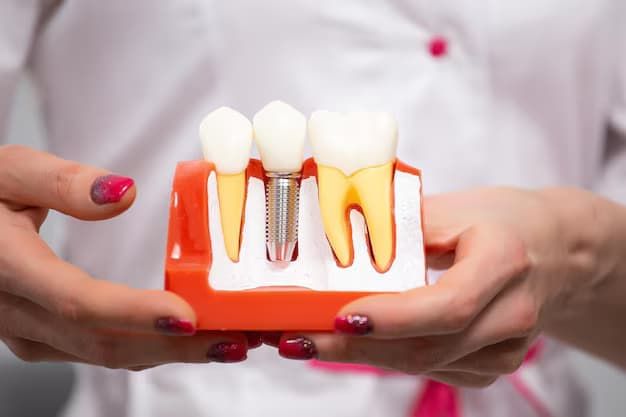
When a tooth comes out, that gap doesn't just disappear. Nearby teeth can shift, and replacing the missing one might mean a bridge, an implant, or other additional treatment down the line.
That doesn't mean every damaged tooth deserves to be saved. Some teeth just don't have enough healthy structure left, or have other problems that rule out restoration. The point is to look closely at the tooth before deciding extraction is the only option.
What Happens Inside an Infected Tooth?
The center of a tooth holds soft tissue called pulp, which contains nerves and blood vessels. Deep decay, cracks, trauma, or repeated dental work can damage this tissue.
Once the pulp gets inflamed or infected, you might feel persistent tooth pain, sensitivity, swelling, or discomfort when biting down. Sometimes, though, a damaged pulp barely causes any symptoms at all.
Left untreated, infection can spread past the tooth and lead to an abscess. Root canal treatment tackles the problem from inside the tooth, removing the affected pulp, then cleaning and disinfecting the root canal space. That space gets filled and sealed afterward to help keep reinfection from taking hold.
When Might a Root Canal Be Recommended?
Root canal treatment might come up when the pulp inside a tooth has become infected or significantly inflamed.
Common causes include:
- Deep tooth decay
- Cracks or chips
- Dental trauma
- Repeated procedures on the same tooth
- Problems beneath an existing restoration
Symptoms can include lingering sensitivity to hot or cold, pain when chewing, a sudden toothache, swelling, or tenderness around the tooth. Symptoms vary a lot from person to person though, so an exam is important before assuming you need any specific treatment.
Root Canal vs. Extraction: What Should You Consider?
Extraction takes care of the immediate problem, the damaged tooth, but it leaves behind a gap that usually needs to be addressed later.
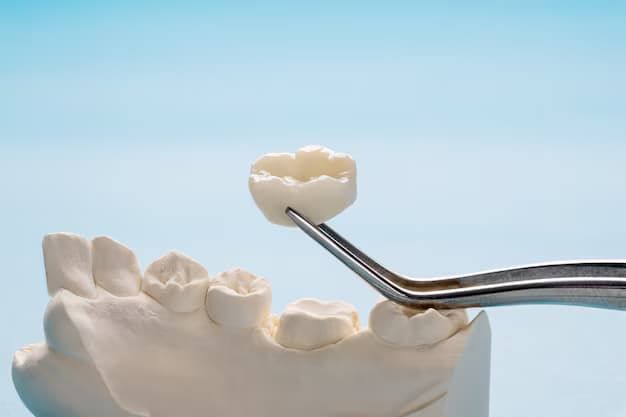
Root canal treatment, on the other hand, aims to keep the natural tooth in place. Once the inside is treated, the tooth usually needs a proper final restoration to protect what's left of it and get it back to normal function.
For some patients, keeping the tooth means fewer changes to how their natural bite and chewing already work. It can also skip the extra planning that comes with replacing a pulled tooth.
Still, there's no one-size-fits-all answer here. We look at the tooth's condition, how much healthy structure remains, the surrounding tissue, your overall oral health, and whether the tooth can realistically be restored.
Does Saving the Tooth Mean Ignoring Other Options?
No. Good dentistry is about picking whatever makes sense for that specific tooth and that specific patient.
Sometimes root canal treatment is the best way to save a tooth that can still be restored. Other times, extraction is the right call because
the tooth just can't be predictably fixed.
We believe those calls should come out of a clear conversation. We explain what we're seeing, walk through reasonable options, and help you weigh the benefits and limitations of each one.
Why Natural Teeth Are Still Worth Protecting
Modern dentistry has good ways to replace missing teeth, but that doesn't automatically make extraction the better choice. A healthy natural tooth gives you real chewing function and sensation, and it works as part of your existing bite the way nothing artificial quite matches.
When a tooth can be successfully treated and restored, keeping it often means holding onto your existing oral structure instead of starting a replacement process from scratch.
That's a big reason root canal treatment stays such an important part of modern restorative and general dentistry.
Conclusion
The goal of modern dentistry isn't just pulling a painful tooth. When possible, it's understanding what's actually causing the problem and holding on to healthy natural tooth structure.
Root canal treatment stays valuable because it clears infection or inflammation from inside a damaged tooth while letting the rest of the tooth get restored and put back to work.
At Martinez & Martinez Family Dental Care, we want you to feel informed, not pressured, when making treatment decisions. If you're dealing with persistent tooth pain, sensitivity, swelling, or a damaged tooth, let us take a look and tell you honestly whether saving your natural tooth is a realistic option for you.