Why Do Teeth Become More Sensitive With Age? What Your Dentist May Be Looking For
A cold glass of water can feel refreshing. Unless one tooth suddenly sends a sharp jolt through your mouth.
For some adults, this starts happening more often with age. Brushing close to the gumline may sting. Ice cream might cause a quick ache. Even hot coffee can feel different than it used to. Tooth sensitivity is common, but getting older isn't the only possible reason.
Changes in enamel, gums, tooth structure, and older dental work can all play a part. Sometimes the cause is minor. Other times, sensitivity is the first sign that a tooth needs attention.
At Martinez & Martinez Family Dental Care, we look beyond the symptom. Finding out why a tooth has become sensitive gives us a better starting point for deciding what, if anything, needs to be done.
Why Can Teeth Become More Sensitive With Age?
Your teeth aren't completely unchanged throughout adulthood. Years of chewing, brushing, acidic foods, dental work and other everyday factors can gradually affect the protective surfaces of the teeth.
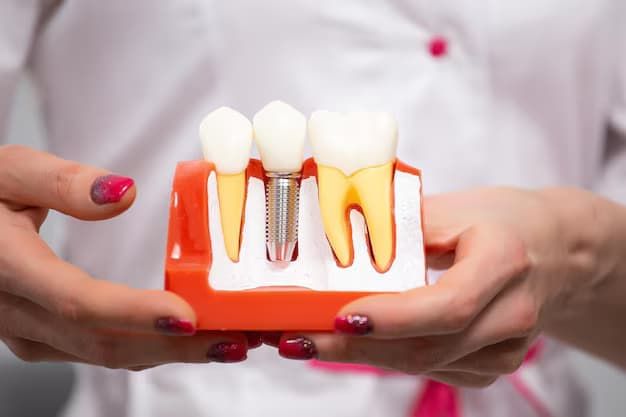
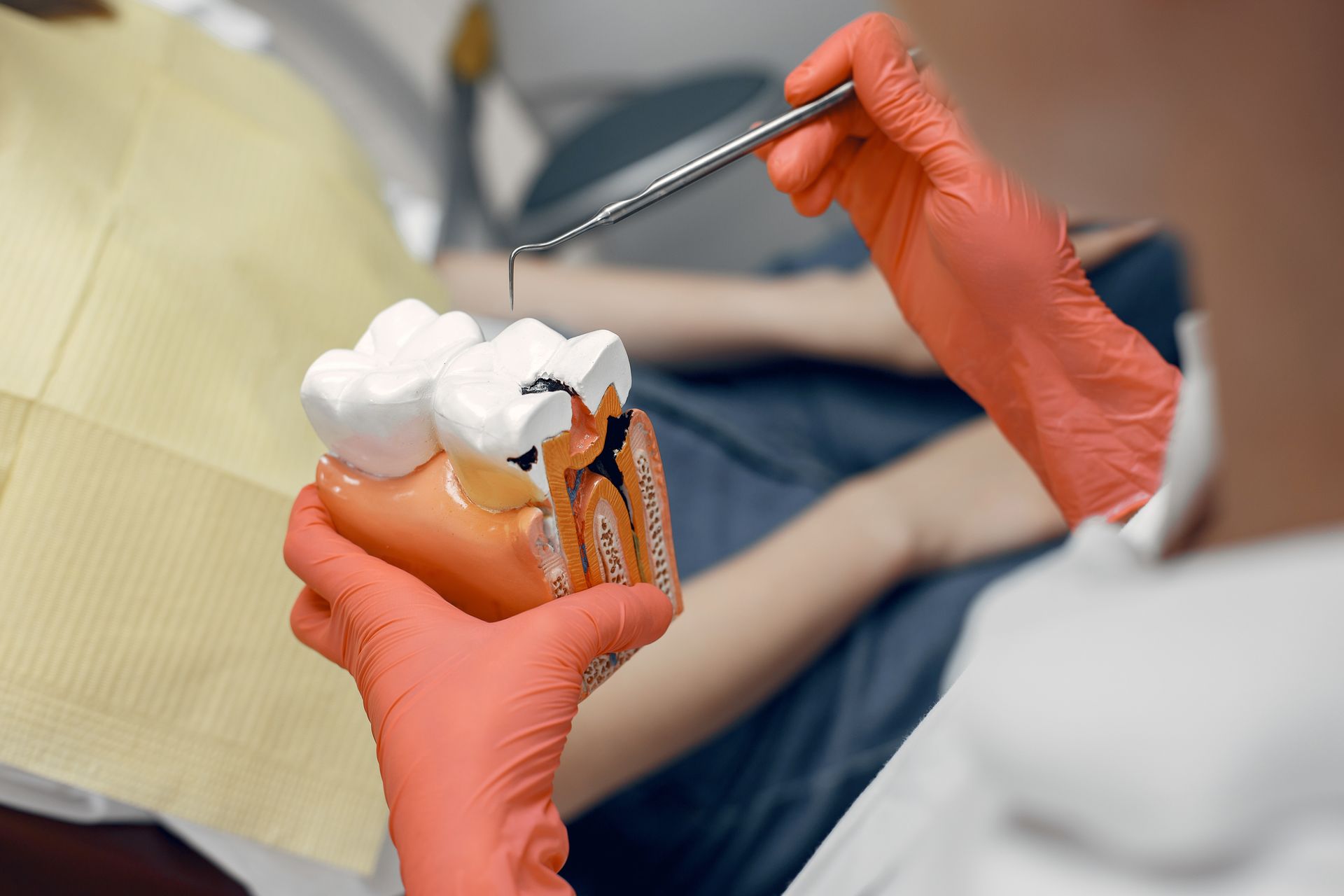
Enamel is the hard outer layer of a tooth. Underneath it is dentin, which contains microscopic tubules connected to the inner part of the tooth. When dentin becomes exposed, temperature changes and certain foods can reach those areas more easily.
That's one reason a cold drink can suddenly feel much more intense.
Some common contributors include
- Enamel erosion from frequent exposure to acidic foods and drinks
- Gum recession that exposes part of a tooth root
- Tooth wear associated with grinding or clenching
- Brushing with too much pressure
- Tooth decay that has progressed beyond the outer enamel
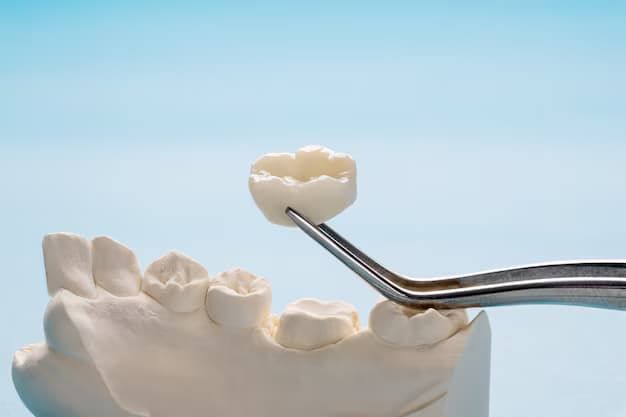
- Older fillings or crowns that no longer fit as well as they once did
- Temporary sensitivity after certain dental procedures
The cause isn't always obvious from the feeling alone. That's why the location and timing of the discomfort matter.
Sensitivity Near the Gums Can Be a Clue
Have you noticed sensitivity right where the tooth meets the gum?
Gum recession can expose part of the tooth root. Unlike the crown, the root doesn't have a thick layer of enamel covering the surface. Cold water, or a toothbrush can then trigger an uncomfortable sensation.
Receding gums aren't necessarily caused by age alone. Brushing too aggressively, gum disease, tooth position and other factors can contribute.
If you notice sensitivity along with bleeding while brushing, swollen gums, persistent bad breath, or a visible change in the gumline, don't simply switch toothpaste and hope for the best. A dental examination can help determine what's going on.
A Sensitive Tooth Isn't Always an Aging Tooth
This is where it's worth paying attention to the details.
If one tooth suddenly starts reacting to cold when the teeth around it don't, we want to know why. Decay can cause sensitivity as it moves deeper into a tooth. A crack may cause pain when you bite down or release your bite. An older restoration can also become a concern if the surrounding tooth structure changes.
The way the pain behaves can tell us quite a bit.
A quick flash of sensitivity that disappears almost immediately isn't the same as pain that continues after the cold food or drink is gone.
Discomfort from biting is another pattern altogether.
Small details like these can help guide an examination.
What May Happen During a Dental Evaluation?
A sensitivity appointment doesn't automatically mean you need a filling, crown or other procedure. First, we need to understand what you're experiencing.
Your Symptoms Give Us Useful Information
We may ask:
- Which tooth or area feels sensitive?
- Does cold, heat, sweetness, or pressure trigger the discomfort?
- Does the sensation disappear quickly or stick around?
- Did you notice the problem suddenly or gradually?
- Have you noticed gum recession or bleeding?
- Do you grind or clench your teeth?
- Have you recently had dental work?
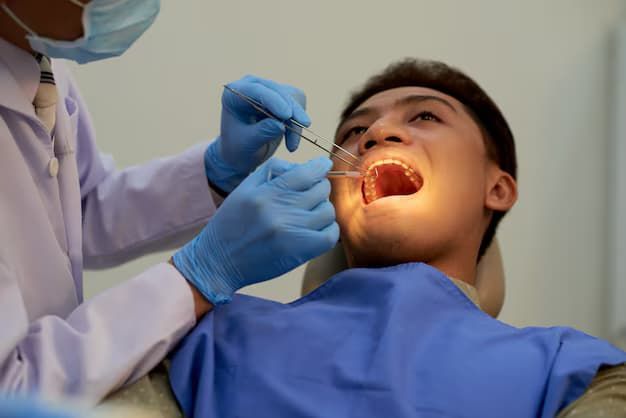
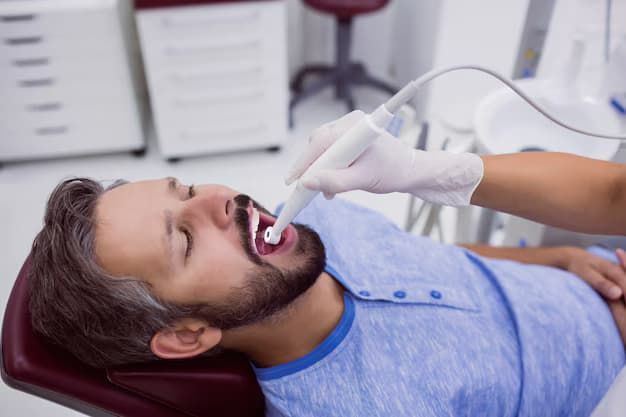
We can then examine the teeth and gums and look for signs that match the symptoms. In some cases, an X-ray or additional testing may be helpful.
That doesn't mean every sensitive tooth has a serious problem. It means we don't have to guess.
When Does Sensitivity Need Treatment?
Sometimes a small change at home is enough. Using a soft-bristled toothbrush, easing up on brushing pressure, and choosing toothpaste made for sensitive teeth may help reduce everyday discomfort.
Diet matters, too. Frequent exposure to acidic drinks and foods can gradually wear down enamel. Water can help rinse the mouth after acidic foods or beverages.
But home care can't fix decay, a damaged restoration, or certain structural problems.
If decay is responsible, a filling may be appropriate. A weakened tooth may need a crown. If exposed roots are causing the problem, the focus may be on protecting the exposed area and improving gum health.
The right tooth sensitivity treatment depends on what's causing the sensitivity in the first place.
A Few Everyday Changes Can Help
You don't need to completely change your routine to give sensitive teeth more protection.
Start with how you brush. A soft-bristled toothbrush and lighter pressure are usually kinder to the gumline than aggressive scrubbing. More pressure doesn't mean a better cleaning.
It's also worth looking at what you drink throughout the day. Soda, sports drinks, citrus beverages, and other acidic choices can contribute to enamel erosion, especially when consumed frequently.
Fluoride is another useful part of everyday dental care. It helps strengthen enamel and protect against tooth decay.
And if you regularly wake up with a sore jaw or notice signs of grinding, bring that up during a dental visit. Repeated pressure can affect the teeth over time.
When Should You Have Sensitive Teeth Checked?
You don't have to wait until the pain becomes difficult to tolerate.
Make an appointment if sensitivity:
- Keeps coming back for several weeks
- Is becoming more intense
- Starts without an obvious trigger
- Is limited to one particular tooth
- Hurts when you bite
- Comes with swelling or gum changes
- Continues instead of improving after dental treatment
Some sensitivity following dental work can be temporary. Still, discomfort that persists or gets worse deserves a closer look.
A tooth that's bothering you today may be easier to address than the same problem months later.
Why the Cause Matters More Than the Symptom
There isn't one solution for every sensitive tooth.
Two people can describe the same sharp reaction to a cold drink, yet one may have gum recession while the other has decay or a
problem with an older restoration. Treating both cases in exactly the same way wouldn't make much sense.
At Martinez & Martinez Family Dental Care, we consider the tooth, gums, existing dental work, bite, and symptom pattern before recommending care. Our general dentistry services include preventive care, fillings, crowns, root canal treatment, gum care, and other restorative treatments.
That gives us room to address a simple sensitivity concern while also investigating signs of a deeper problem when needed.
The goal is straightforward: figure out what's making the tooth react and protect healthy tooth structure whenever possible.
Don't Assume Sensitivity Is Just Part of Getting Older
Some changes in the mouth happen gradually with age. Persistent dental pain shouldn't automatically be added to that list.
If cold foods suddenly bother you, brushing has become uncomfortable, or one tooth feels different from the rest, it's worth finding out why.
You may need nothing more than a change in your daily routine. Or you may have a dental problem that would be easier to handle now than later.
We'd rather evaluate a small concern than have you wait until eating, drinking, or sleeping becomes difficult.
Conclusion
Sensitive teeth can become more noticeable as we age, but the cause isn't always age itself. Worn enamel, gum recession, decay, grinding, and older dental work can all play a role. Our job is to find the reason before recommending care.
With a proper examination and personalized tooth sensitivity treatment, we can address the source while protecting as much healthy tooth structure as possible. If a tooth keeps reacting to everyday foods or drinks, don't ignore the pattern. A simple dental evaluation can provide the answers you need.