Dental Implants & Post-Surgery Care: Candidacy and What to Eat
Before implant surgery, most patients ask two things: "Am I a candidate?" and "What can I eat afterward?" Both are fair questions, and the answers shape how comfortable and well-prepared you feel.
At Martinez & Martinez Family Dental Care in Monroe, OH, we help patients through every stage of implant surgery, from the first evaluation to recovery. Here is what to expect, and where dental implants fit when a damaged tooth might also be treated with a root canal.
Who Is a Good Candidate for Dental Implants?
A good candidate for dental implants has one or more missing teeth, enough healthy bone to hold the implant, and gums healthy enough to heal well. Most patients with adequate bone can have implants, though it varies from person to person.
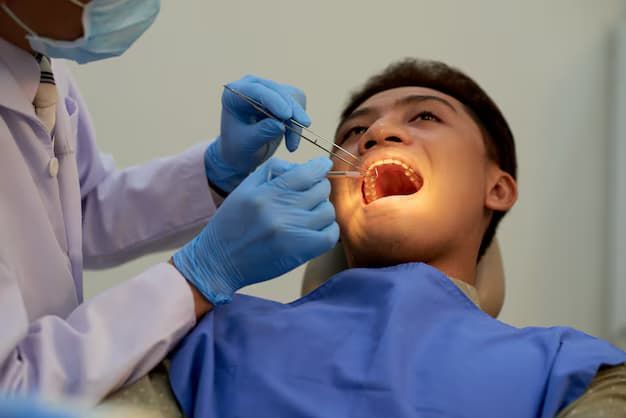
We decide candidacy through an exam and imaging. We typically take X-rays and a CT scan to check how much bone is available and to choose the right size and type of implant. Here is what we look at:
- Bone: If the bone is thin, a bone graft may be an option before or alongside implant surgery.
- Gum health: Untreated gum disease can interfere with healing, so we may treat it first.
- Overall health: Certain medical conditions can affect healing. Tell us about your health history and any medications.
- Smoking: Smoking slows healing, and we'll discuss it with you if it applies.
Implants aren't only for single missing teeth. They can also support full or partial dentures and make them more stable. No online checklist can replace an exam, so the best way to find out is to contact us for an evaluation.
What Happens During Implant Surgery and Recovery?
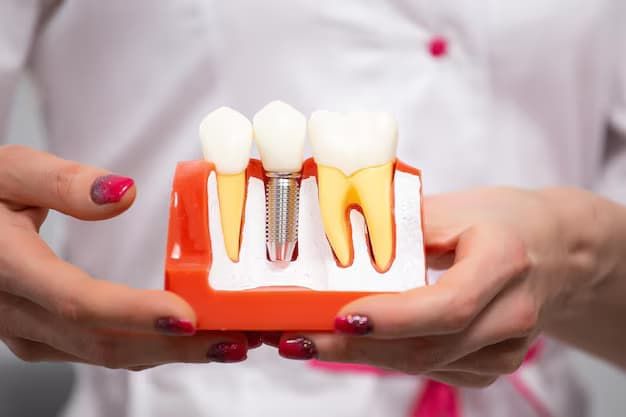
An implant is a titanium-based cylinder that replaces the missing tooth root. Once it has healed, we attach the other parts and place a crown on top, so it looks and works like a natural tooth.
After implant surgery, you may have some discomfort and bleeding on the day of the procedure. The area may also feel numb for a while, and the nearby teeth may feel a little loose. Here is how we ask you to care for the area:
- Take any prescribed medication exactly as directed.
- Use an ice bag over the surgical area on the day of surgery, 10 minutes on and 5 minutes off.
- Don't pull up your lip to look at the site. It can disturb the stitches.
- Don't brush near the surgical site. Brush the rest of your mouth as usual.
- Don't smoke, spit, or use a straw on the day of surgery, and avoid smoking for a few days afterward.
- Keep your follow-up appointment so we can remove stitches and check your healing.
Healing time depends on your procedure and your body, so don't compare yours with someone else's. We'll tell you what to expect for your case. Our post-operative instructions have the full details.
What Should You Eat After Dental Implant Surgery?
For the first two to three days after implant surgery, we recommend a diet of soft foods and liquids. Good choices include soup, yogurt, milkshakes, and juice.
Other easy options that need little or no chewing:
- Mashed potatoes
- Scrambled eggs
- Applesauce
- Oatmeal
- Soft pasta
- Smoothies, eaten with a spoon
- Soft, protein-rich foods like cottage cheese
A few tips for the first days:
- Keep food and drinks cool or lukewarm. Very hot foods can irritate a healing site.
- Don't use a straw on the day of surgery. Use a spoon for smoothies and milkshakes.
- Chew on the opposite side of the surgical site.
- Stay hydrated, and don't skip meals. Your body needs fuel to heal.
If you had a bone graft, follow the extra instructions we give you. They usually call for cool or tepid food and strict avoidance of mouthwash during healing.
Foods and Habits to Avoid While You Heal
The goal in early recovery is to protect the surgical site. Avoid:
- Hard or crunchy foods like chips, nuts, and raw vegetables
- Chewy or sticky foods like caramel, bagels, and tough meat
- Very hot foods and drinks
- Chewing directly on the implant site
- Smoking, which delays healing
- Poking the area with your fingers or tongue
If you have a bone graft, we ask you to avoid smoking for 7 to 10 days and not to use mouthwash or other antiseptic rinses unless we tell you to. Complete healing of the gum tissue takes a minimum of about three weeks.
If something feels wrong, call us instead of trying to fix it yourself.
How Painful Is a Root Canal, and When Is a Dental Implant the Better Choice?
A root canal is done under local anesthesia, so you shouldn't feel sharp pain during the procedure. Afterward, you may have moderate soreness, pressure sensitivity, and gum tenderness for a few days, which should improve gradually. Prescribed or recommended medication can help.
A root canal and an implant solve different problems:
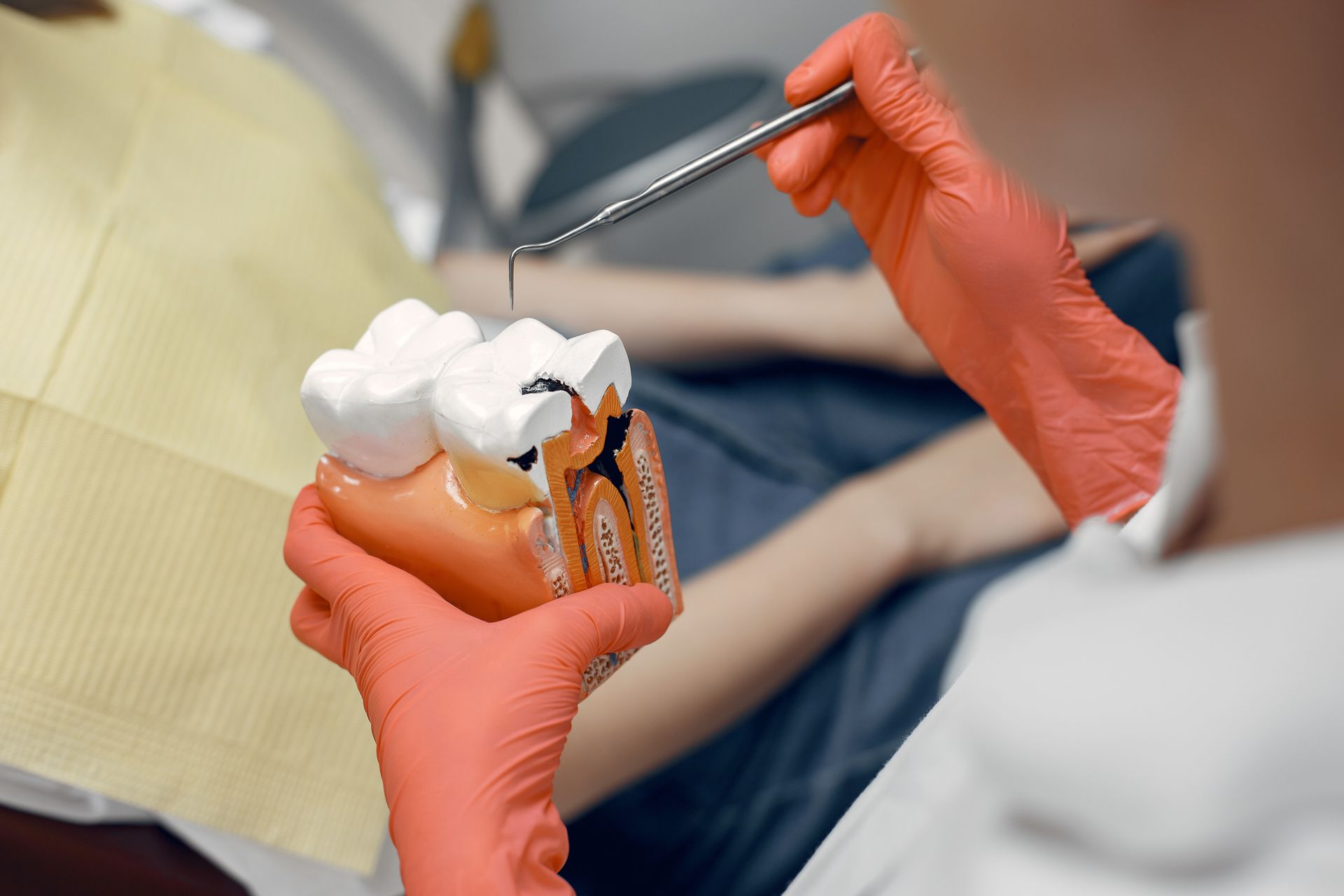
- Root canal treatment removes infected tissue from inside a damaged tooth so you can keep the tooth. A crown is usually placed afterward to protect it.
- A dental implant replaces a tooth that has been lost or can't be saved.
If your tooth can be saved, we'll usually recommend root canal treatment first, since keeping your natural tooth is generally preferable. If it can't be saved because of severe decay, a fracture, or lost bone, an implant may be the best replacement. If you've been told you need an extraction, ask whether the tooth can be saved and what your options are.
When to Call Us After Implant Surgery
Contact our office at 513-360-0917 if you notice any of the following:
- Excessive bleeding
- Severe pain
- Significant swelling
- Anything that worries you
We are open Monday 8:00 am to 2:00 pm and Tuesday, Wednesday, and Friday 8:00 am to 5:00 pm. We are closed Thursdays and weekends. In a serious emergency, call 911.
Is Implant Surgery Right for You?
The best way to know is to be evaluated. Imaging, bone levels, gum health, and your overall health all go into the decision. If you're thinking about dental implants, or you aren't sure whether a damaged tooth should be saved or replaced, we're here to help. Contact us or call 513-360-0917 to schedule a visit at Martinez & Martinez Family Dental Care in Monroe, OH.
FAQs
Can I be a candidate if I smoke or have diabetes?
Neither automatically rules you out, but both can slow healing, so we review them closely during your evaluation. We may recommend steps first, such as quitting smoking before surgery or working with your physician on blood sugar. Tell us about your full health history at your exam.
Are protein shakes and smoothies okay after surgery?
Yes, if they are cool or lukewarm and you eat them with a spoon on the day of surgery, since we ask you not to use a straw that day. They are a good way to get protein while chewing is limited. Skip anything with seeds, nuts, or crunchy bits that can lodge in the site.
How long do the stitches stay in?
For a standard implant, we remove them at your follow-up visit. After a bone graft, stitches usually stay in 2 to 3 weeks, depending on the size of the graft and how your tissue looks. We may leave them longer if the area needs more time.
Can I use mouthwash after a bone graft?
Not unless we tell you to. Mouthwash and other antiseptic rinses can irritate a bone graft site and put the graft at risk. We'll give you a saline rinse and show you how to use it once the first stage of healing looks good.
What if the pink dressing over my graft falls off?
Call us right away and plan to come in before your one-week follow-up. The dressing protects the site and the graft material while it heals, so we need to check the area and decide whether to replace it.