Root Canal Recovery, Cost & Treatment Comparisons: What Patients Should Know
Root canal recovery usually involves a few days of tenderness, while costs depend on the tooth and restoration required. Soft foods can help while the tooth heals. Comparing dental treatments means considering the problem being treated, the condition of your teeth and the long-term care each option may require.
Dental decisions involve more than choosing a procedure. Recovery, cost, comfort and long-term maintenance can all affect which treatment suits you.
Understanding different dental treatment options helps you prepare questions for your dentist and compare recommendations based on your needs.
How long does root canal recovery take?
Most patients experience tenderness for a few days after a root canal. Recovery depends on the tooth's condition and the complexity of treatment. Worsening pain or swelling should be assessed by a dentist.
What can you eat after a root canal?
Soft foods are generally easier to manage while the tooth is tender. Avoid chewing hard foods on the treated side, especially if a temporary restoration is in place.
For further guidance on discomfort and aftercare, read our root canal recovery guide.
How much does a root canal cost?
The cost depends on the tooth being treated, the complexity of the procedure, and whether a crown or another restoration is needed. Insurance coverage can also affect your out-of-pocket expense.
What should you ask about the total cost?
Request an estimate that separates the root canal procedure from the final restoration and follow-up visits. This makes it easier to understand the full cost rather than comparing procedure fees alone.
Our root canal appointment guide explains why treatment may require one or more visits.
When comparing dental treatment options, consider the full treatment plan and whether the tooth can be restored successfully.
What is the difference between Invisalign and braces?
Invisalign uses removable clear aligners, while traditional braces use brackets and wires to move teeth. Both can correct alignment problems, but suitability depends on the bite, the complexity of the case and patient compliance.
What should you consider when choosing?
Think about appearance, daily cleaning, eating habits, and the type of tooth movement needed. Clear aligners must be worn as directed, while braces remain attached during treatment.
Visit our Invisalign treatment page for more information about clear aligners.
What is the difference between dental implants and dentures?
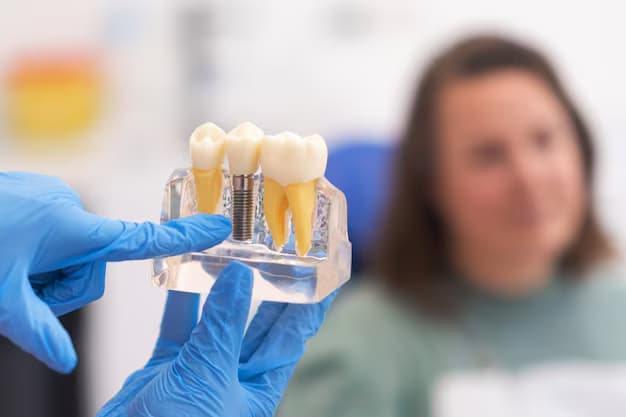
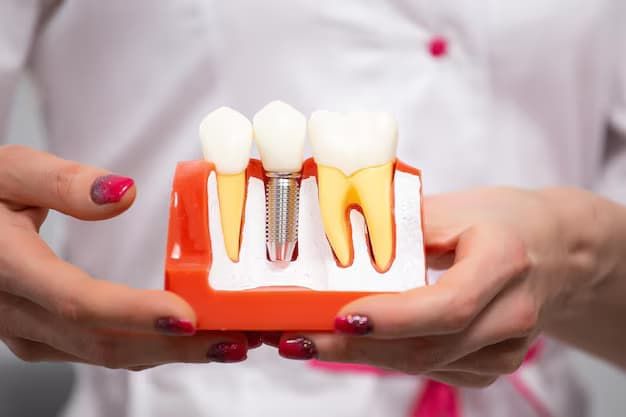
Dental implants use posts placed in the jawbone to support replacement teeth. Traditional dentures rest on the gums and can replace several missing teeth or a full arch.
Which option may suit you?
Your oral health, available jawbone, number of missing teeth, budget, and preferences about surgery all affect the decision. A dental examination helps determine which solutions are suitable.
Read our tooth replacement guide for more information about implants, bridges and dentures.
What is the difference between a crown and a filling?
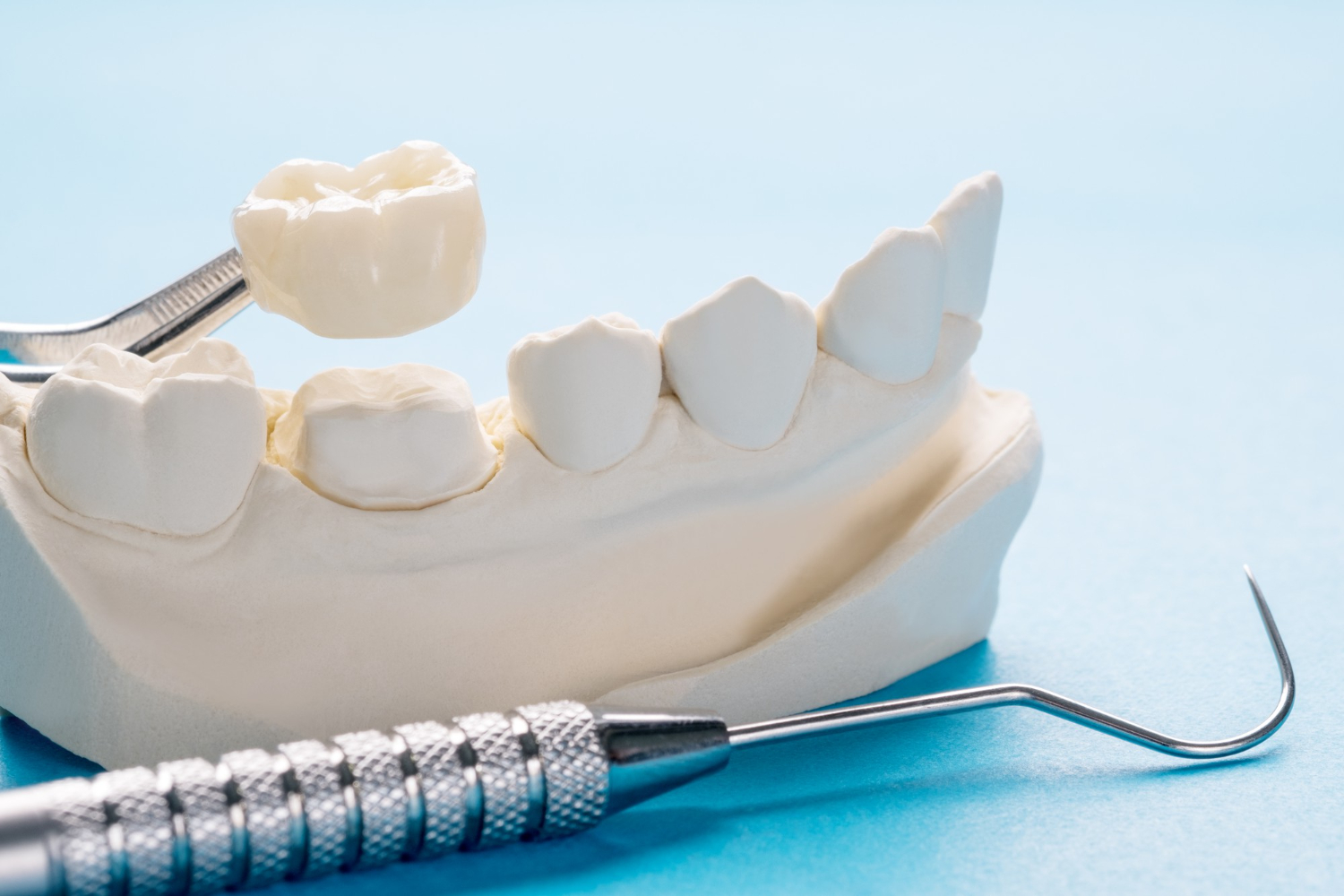
A filling repairs a damaged area of a tooth, while a crown covers the visible portion to protect and restore it. The choice depends on how much healthy tooth structure remains and how well the tooth can withstand chewing forces.
Does a damaged tooth always need a crown?
No. Smaller areas of decay or damage may be treated with a filling while a weakened or extensively damaged tooth may need a crown. The type and extent of a crack can also affect the recommendation.
Our article on treatment for a cracked tooth explains why the amount of damage matters.
These dental treatment options serve different purposes, so the recommendation should reflect the tooth's condition rather than cost or appearance alone.
How should you compare dental treatment options?
Before agreeing to a treatment plan, make sure you understand what the procedure is intended to achieve, its limitations and the care required afterward.
Questions to ask your dentist
- What problem will this treatment address?
- Are there suitable alternatives?
- What is the total cost, including follow-up care?
- How will the treatment affect daily eating and cleaning?
- What are the likely consequences of delaying treatment?
Consider long-term maintenance
A lower initial price doesn't always mean lower costs over time. Some treatments require adjustments or replacement while others involve surgery or more involved maintenance.
Discuss the expected lifespan, care requirements and limitations of the recommended dental treatment options with your dentist before making a decision.
At Martinez & Martinez Family Dental Care, we help patients understand their choices before proceeding. Visit our general dentistry page or contact our office to discuss your concerns.
Frequently Asked Questions
Can I return to normal activities after a root canal?
Many patients resume normal activities the same day. Comfort and the details of the procedure may affect your plans.
Does every root canal need a crown?
No. The recommended restoration depends on the tooth's location, remaining structure and risk of fracture.
Are dental implants suitable for everyone?
No. Bone availability, gum health, medical history and other factors affect implant candidacy.
Is Invisalign suitable for complex alignment problems?
Suitability depends on the required tooth movements and bite issues. A dental assessment can help determine appropriate choices.
How can I compare dental treatment costs?
Request an itemised estimate covering the procedure, restoration, follow-up care, insurance contribution and possible additional treatment.