Living With TMJ Disorder: When to Consider Professional TMJ Treatments
Jaw pain can quietly affect daily life. It may start as mild soreness near the ears. Over time, it can lead to headaches, difficulty chewing, or a clicking sound when opening the mouth. These symptoms often point to temporomandibular joint disorder, commonly called TMJ disorder.
The temporomandibular joints connect your jaw to your skull. They allow you to talk, chew, and yawn. When these joints or the surrounding muscles become strained or inflamed, discomfort follows. Knowing when to seek professional
TMJ treatments can prevent the condition from worsening and protect your long-term oral health.

What Is TMJ Disorder?
TMJ disorder affects the joints and muscles that control jaw movement. Each person has two temporomandibular joints, one on each side of the face. They act like sliding hinges.
Common causes include:
- Teeth grinding or clenching
- Jaw injury
- Arthritis
- Bite misalignment
- Chronic stress
Symptoms may appear gradually. Many patients ignore early signs. Unfortunately, untreated TMJ issues can lead to chronic pain and limited jaw movement.
Recognizing the Warning Signs
It is important to listen to your body. TMJ disorder does not look the same for everyone.
Watch for:
- Jaw pain or tenderness
- Clicking or popping sounds
- Locking of the jaw
- Earaches without infection
- Frequent headaches
- Facial muscle fatigue
If these symptoms persist for weeks, it may be time to explore professional TMJ treatments rather than relying only on home remedies.
When Home Care Is Not Enough
Mild discomfort sometimes improves with simple steps. Resting the jaw, applying warm compresses, and avoiding hard foods may help. Stress reduction can also reduce clenching.
However, certain signs indicate the need for professional care:
- Pain that interferes with eating
- Limited jaw opening
- Recurring headaches linked to jaw tension
- Sleep disruption due to grinding
Ignoring these issues may strain the joint further. Early evaluation allows a dentist to determine the exact cause and recommend targeted TMJ treatments.
Why Professional Evaluation Matters
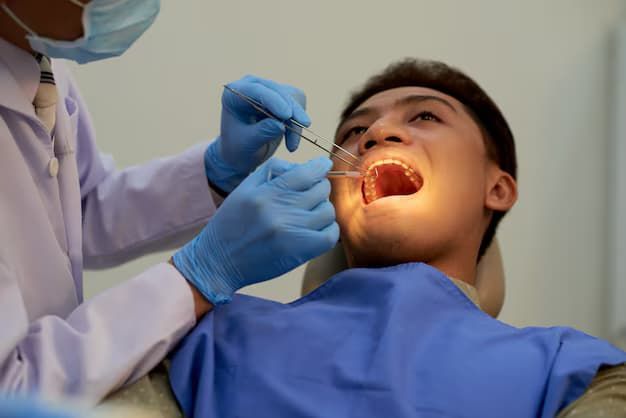
TMJ disorder has several possible causes. Without a proper exam, it is difficult to know which structure is affected. A dental professional evaluates jaw movement, bite alignment, and muscle tenderness. Digital imaging may be used if needed.
Accurate diagnosis ensures that TMJ treatments address the root problem rather than masking symptoms. Treating muscle tension differs from correcting bite misalignment. That distinction matters for long-term relief.
Common Professional TMJ Treatments
Treatment plans vary based on severity and cause. Most cases respond well to conservative care.
Custom Oral Appliances
A nightguard or splint is often the first step. These custom-made devices reduce pressure on the joint. They help prevent grinding and allow muscles to relax. Many patients notice improvement within weeks.
Bite Adjustment
If an uneven bite contributes to joint strain, minor reshaping of certain teeth may improve alignment. Balanced bite forces can reduce joint stress and discomfort.
Physical Therapy
Jaw exercises strengthen and stretch muscles. Targeted therapy improves mobility and reduces stiffness. Some patients benefit from guided sessions with a trained specialist.
Medication Support
Short-term use of anti-inflammatory medication or muscle relaxants may reduce swelling and tension. Medication alone is not a long-term fix. It supports other TMJ treatments during the healing phase.
Stress Management Guidance
Stress is a major trigger for clenching. Behavioral strategies and relaxation techniques can significantly reduce flare-ups. Addressing emotional factors often improves results.
Advanced Care for Severe Cases
Surgery is rarely needed. Most patients respond to conservative methods. In severe or structural cases, referral to a specialist may be recommended. Advanced TMJ treatments focus on restoring proper joint function while minimizing risk.
The key is starting with the least invasive approach. Care should always be guided by clinical findings and patient comfort.
The Long-Term Benefits of Early Treatment
Untreated TMJ disorder can lead to chronic inflammation. Over time, this may cause:
- Worn or cracked teeth
- Persistent headaches
- Facial asymmetry
- Difficulty chewing
Seeking timely TMJ treatments helps preserve both joint health and overall oral function. It also improves sleep quality and daily comfort.
A Personalized Approach Matters
Every patient’s jaw structure and symptoms differ. A one-size-fits-all plan does not work. At Martinez & Martinez Family Dental Care, we believe effective TMJ treatments begin with listening carefully and evaluating each concern thoroughly.
A custom approach may combine appliance therapy, bite correction, and lifestyle changes. When treatment aligns with the specific cause, results are more stable and lasting.
What to Expect During Your Visit
An evaluation typically includes:
- Review of symptoms and medical history
- Examination of jaw movement
- Bite assessment
- Discussion of stress habits
- Possible digital imaging
Clear communication builds trust. Patients should understand why certain TMJ treatments are recommended and how they work. Transparency helps individuals feel confident in their care decisions.
Living Comfortably With TMJ Disorder
Many people live for years with untreated jaw pain. They assume discomfort is normal. It is not. Jaw joints are designed to move smoothly and without pain.
When symptoms persist, professional guidance can make a meaningful difference. Early intervention reduces the risk of long-term complications. It also restores confidence in daily activities like eating and speaking.
At Martinez & Martinez Family Dental Care, our focus is on careful diagnosis and thoughtful care. We work closely with patients to identify triggers and recommend realistic solutions. Effective TMJ treatments are not about quick fixes. They are about improving function, comfort, and quality of life.
Knowing When to Take the Next Step
If jaw pain lasts more than a few weeks, do not ignore it. If headaches seem connected to tension in the face, mention it during your dental visit. If your jaw clicks or locks, a professional evaluation is wise.
Timely TMJ treatments can prevent minor irritation from becoming chronic joint damage. The earlier the condition is addressed, the easier it is to manage.
Living with TMJ disorder does not mean living with constant discomfort. With proper evaluation and a structured care plan, relief is possible. Professional support ensures that treatment is safe, evidence-based, and tailored to individual needs.
Conclusion
Living with jaw discomfort can slowly affect your health, mood, and daily routine. TMJ disorder is not something you have to simply tolerate. Persistent pain, clicking, or limited movement are signs that deserve attention. Early evaluation helps prevent long-term joint damage and protects your smile.
With the right diagnosis and a personalized care plan, lasting relief is possible. Professional support focuses on comfort, function, and stability. If symptoms continue or worsen, seeking timely care can restore normal jaw movement and improve overall quality of life. Taking action today can lead to a healthier, more comfortable tomorrow.