The Surprising Dental Uses of Botox for TMJ Disorders and Chronic Jaw Discomfort
Jaw pain, facial tightness, and constant clenching can slowly affect daily comfort without warning. Many patients try night guards or pain relievers, but the relief is not always long-lasting. One modern approach gaining attention is Botox treatment, especially for people dealing with TMJ disorders and chronic jaw tension.
We often meet patients who are surprised to learn that muscle-focused therapy can play a role in dental care. The jaw is one of the most active muscle groups in the body, and when those muscles become overworked, discomfort follows. This is where targeted care can make a meaningful difference. In carefully selected cases, Botox treatment may help relax overactive jaw muscles and reduce strain that contributes to long-term pain and grinding habits.
Understanding how this approach works can help patients make informed decisions about their oral health and comfort.

Understanding TMJ Disorders and Jaw Muscle Strain
TMJ disorders involve the temporomandibular joint, which connects the jaw to the skull, and can cause pain and dysfunction when stressed.
- Common symptoms include clicking sounds, difficulty chewing, headaches, and facial soreness.
- Muscle tension and unconscious clenching during stress or sleep often increase pressure on the joint.
- Over time, this leads to inflammation, fatigue, and ongoing jaw discomfort.
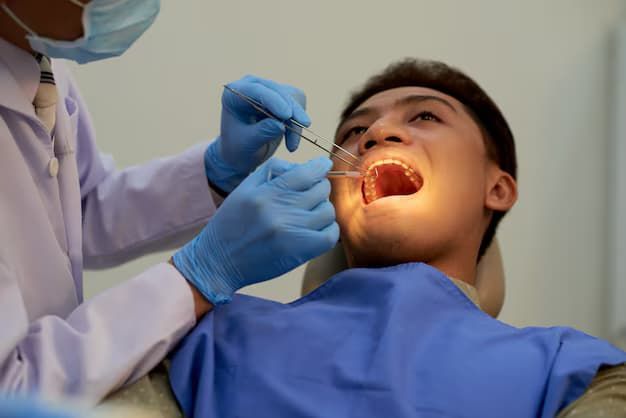
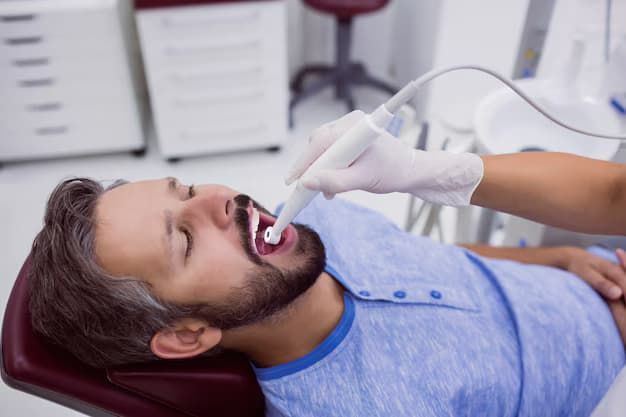
- A detailed evaluation of both joint and muscle activity helps identify the true cause of symptoms.
- This approach supports planning whether Botox treatment may be included in care.
A complete assessment helps ensure treatment decisions are accurate and patient-focused.
How Muscle Relaxation Supports Jaw Comfort
The goal of muscle-based therapy is not to stop natural jaw movement but to reduce excessive force. When jaw muscles are overactive, they can create continuous strain even when the mouth is at rest.
A carefully administered Botox treatment works by calming specific muscles responsible for clenching and grinding. This can reduce pressure on the TMJ and allow the surrounding tissues to recover. Patients often report less morning soreness and fewer tension headaches after treatment.
At Martinez & Martinez Family Dental Care, we focus on precision and safety, ensuring that muscle function remains balanced while discomfort is reduced.
Benefits Beyond Pain Relief
While pain reduction is often the main reason patients explore Botox treatment, there are additional benefits worth noting. Some patients experience reduced tooth wear caused by grinding, while others notice improved facial relaxation and comfort during daily activities like chewing or speaking.
Chronic jaw tension can also impact sleep quality. When the muscles relax, nighttime clenching may decrease, leading to more restful sleep patterns. This improvement can have a positive effect on overall well-being.
Another advantage is that the effects are temporary and adjustable. This allows providers to fine-tune treatment based on each patient’s response.
When Chronic Jaw Discomfort Becomes Disruptive
Chronic jaw discomfort does not always appear severe at first. It may begin as mild stiffness or occasional soreness after eating. Over time, however, it can progress into persistent pain that affects daily life.
Headaches, ear pressure, and difficulty opening the mouth fully are common signs that the jaw muscles are under continuous strain. In such cases, Botox treatment may be considered as part of a conservative management plan.
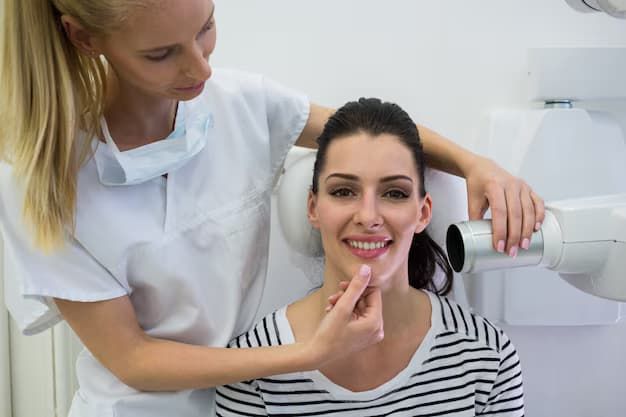
We always begin with a thorough examination to rule out structural issues before exploring muscle-focused options. This ensures that care is both appropriate and safe.
What Patients Can Expect During the Process
The procedure itself is relatively quick and performed in a clinical setting. Small amounts of medication are carefully placed into targeted jaw muscles to reduce excessive activity.
Most patients return to normal routines shortly after the visit. Results are not immediate, as the muscles gradually relax over several days. Full effects are typically noticed within one to two weeks.
A well-planned Botox treatment is always customized. The dosage and injection points depend on the patient’s muscle strength, symptoms, and overall treatment goals.
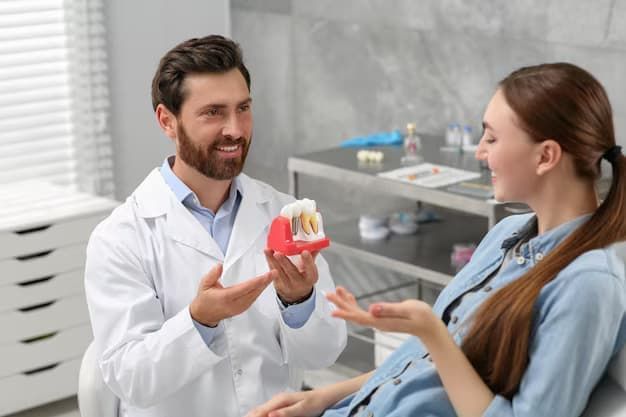
At Martinez & Martinez Family Dental Care, we emphasize patient comfort and clear communication throughout every step of care.
Safety, Suitability, and Professional Evaluation
Not every patient experiencing jaw pain is a candidate for this approach. A detailed evaluation is essential to determine whether symptoms are truly muscle-related.
- Diagnosis helps confirm whether symptoms are muscle-related or linked to other dental issues.
- Mild side effects may include temporary soreness or slight chewing adjustment, which usually resolves quickly.
- This approach supports symptom management but does not cure TMJ disorders.
- Best results are seen when combined with stress control, oral appliances, or bite correction when needed.
Patient safety and long-term oral health remain the top priority in every recommendation.
A Balanced Approach to Jaw Health
Managing TMJ disorders requires a combination of awareness, diagnosis, and personalized care. No two patients experience jaw pain in the same way, which is why treatment plans must remain flexible.
In many cases, Botox treatment becomes one part of a larger plan aimed at restoring comfort and improving quality of life. When used thoughtfully, it can reduce muscle overload and help patients break the cycle of chronic tension.
The goal is not only symptom relief but also improved daily function and comfort.
Conclusion
Jaw discomfort and TMJ-related symptoms can significantly affect daily life, but modern dental care offers more options than ever before. A well-planned Botox treatment can help reduce muscle strain, ease pain, and improve overall jaw function for selected patients.
We believe in combining clinical experience with patient-centered care to find solutions that truly fit individual needs. By understanding both the joint and muscle components of TMJ disorders, we aim to create long-term comfort rather than temporary relief.
When jaw tension becomes persistent, exploring advanced options under professional guidance can make a meaningful difference in restoring everyday ease and confidence.