Rising Emergency Tooth Infections May Be Linked to Delayed Treatment
Recent dental health data have drawn attention to a noticeable rise in severe tooth infections requiring urgent care. One pattern stands out clearly: patients are waiting too long after early symptoms begin, leading to more complex procedures later. Among the most common treatments discussed in these reports is root canal treatment, which continues to play a key role in saving natural teeth and preventing extraction.
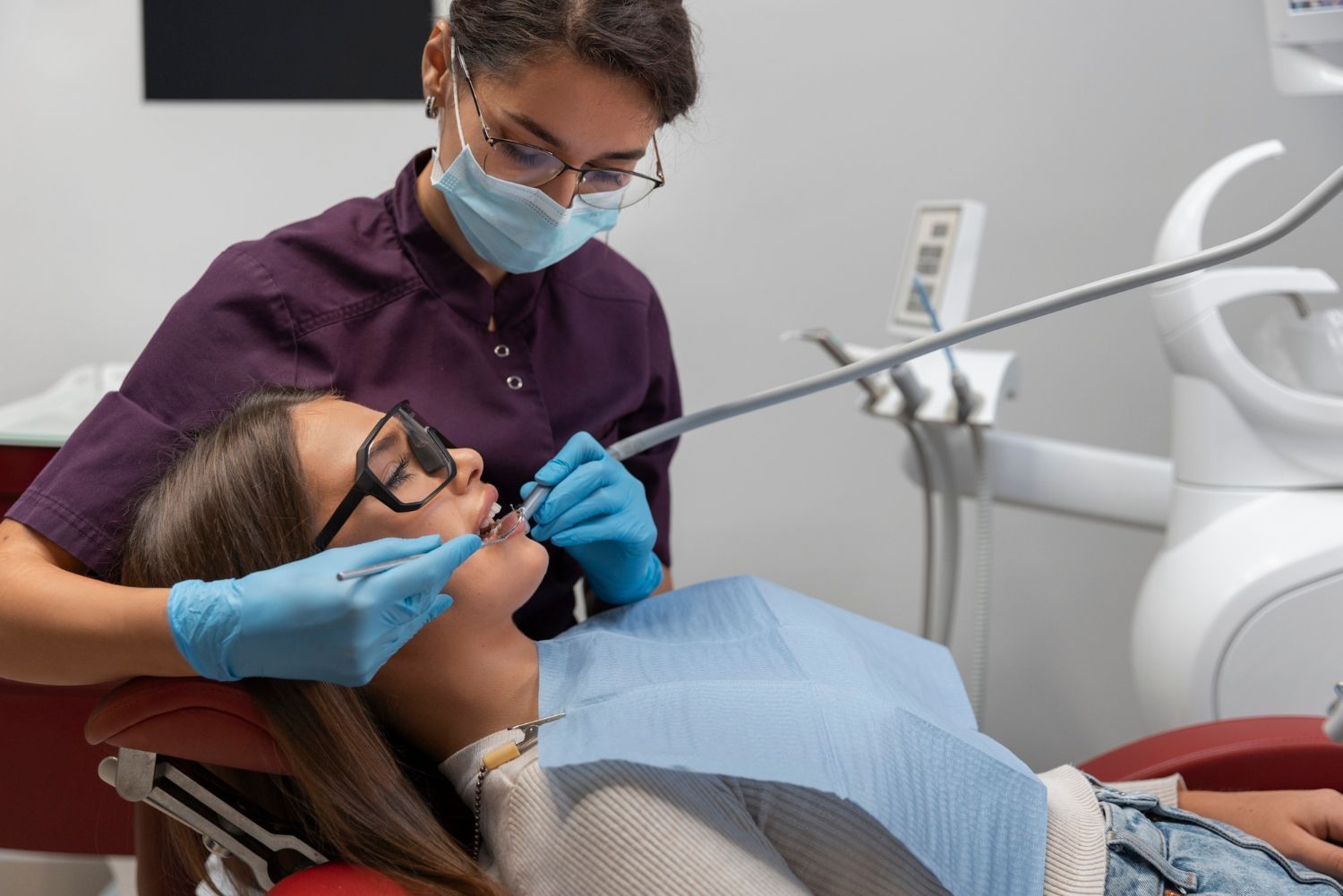
At Martinez & Martinez Family Dental Care, we see this trend reflected in real patient visits, where small issues often become bigger problems due to a delay in care. Many patients don’t realize how quickly a simple toothache can escalate into a deeper infection affecting the nerve and surrounding bone.
Understanding what these reports mean can help patients act earlier, reduce discomfort, and avoid unnecessary complications.
What the Latest Reports Are Showing About Tooth Infections
Recent dental reports highlight a steady increase in advanced tooth infections reaching deeper layers of the tooth. Many cases are linked to delayed dental visits after early warning signs appear.
- Infections are more frequently reaching the inner pulp, requiring advanced care.
- Delayed treatment is leading to higher chances of swelling and abscess formation.
- More patients now require procedures like root canal treatment at later stages.
Early detection remains critical to prevent complications and preserve natural teeth. Timely dental visits significantly reduce the need for complex restorative procedures.
Early Signs That Should Not Be Ignored
Tooth infections rarely begin with severe pain. Instead, they often start with mild sensitivity or occasional discomfort when chewing.
Common early signs include lingering pain after eating hot or cold foods, tenderness around one tooth, or slight swelling in the gums. When these signs are ignored, the infection can move deeper into the tooth structure.
Root canal treatment becomes necessary when the inner pulp is no longer able to heal on its own. Recognizing symptoms early can often prevent the need for more extensive intervention later.
We often remind patients that even minor discomfort lasting more than a few days should be checked.
When Treatment Becomes the Recommended Option
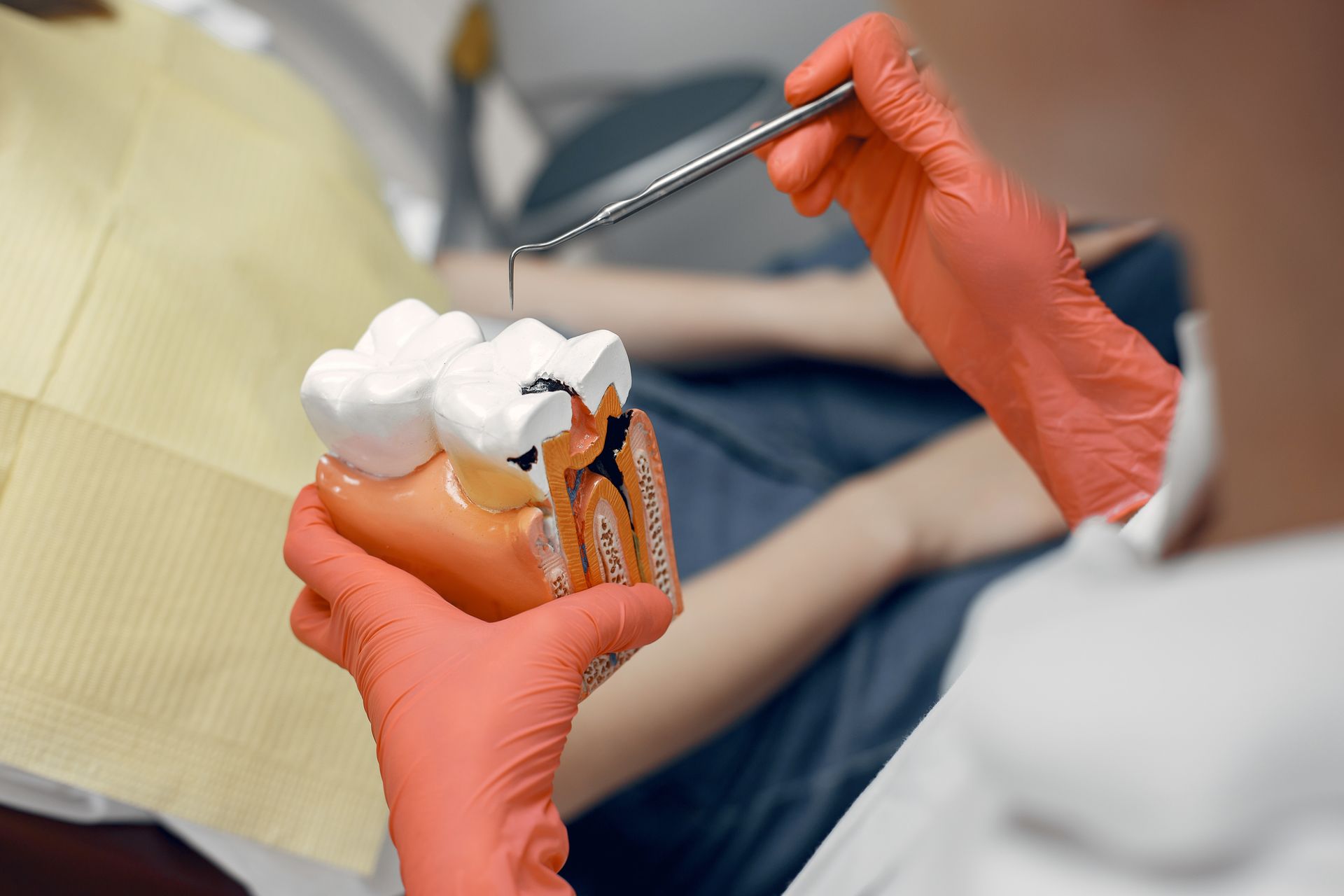
Once infection reaches the pulp chamber, the body cannot repair the damage naturally. At this stage, removing the infected tissue is the only way to save the tooth.
This is where root canal treatment is typically recommended. The goal is not just to relieve pain but also to prevent the infection from spreading further into the jawbone or adjacent teeth.
We focus on preserving natural teeth whenever possible because it helps maintain proper bite alignment and long-term oral health.
Delaying care at this stage can increase the risk of abscess formation, which may require emergency intervention.
How the Procedure Helps Save Natural Teeth
Modern dental techniques have made the process far more comfortable than many patients expect. The procedure involves removing infected pulp, cleaning the inside of the tooth, and sealing it to prevent reinfection.
During root canal treatment, local anesthesia ensures that patients remain comfortable throughout the process. In most cases, patients are able to return to normal activities shortly after treatment.
At Martinez & Martinez Family Dental Care, we use updated tools and imaging systems to ensure precision and reduce treatment time. The focus is always on preserving as much natural tooth structure as possible.
Common Myths That Cause Unnecessary Fear
One of the biggest challenges in dental care is misinformation. Many patients avoid treatment because they believe it will be painful or complicated.
The reality is that root canal treatment is designed to relieve pain, not cause it. The discomfort people associate with the procedure is often the pain from the infection itself, not the treatment.
Another misconception is that extraction is a simpler solution. While removal may seem easier in the short term, replacing a missing tooth often requires more complex and costly procedures later.
Education plays a key role in helping patients make informed decisions about their oral health.
Recovery and What Patients Can Expect
Recovery after dental treatment has become smoother due to improved techniques and modern care approaches. Most patients experience manageable healing when post-care instructions are followed properly.
- Mild sensitivity for a few days after treatment is common and temporary.
- Normal eating habits usually resume shortly after initial healing.
- Root canal treatment outcomes are highly successful with proper restoration.
Following aftercare guidance ensures faster healing and long-term tooth stability. Patients who stay consistent with follow-ups generally experience stronger, lasting results.
The Risk of Waiting Too Long
Delaying treatment allows infection to spread deeper into the tooth and surrounding bone. Once this happens, the chances of saving the natural tooth can decrease.
In some cases, untreated infection can lead to abscess formation, which may cause swelling in the face or jaw and require emergency care.
Root canal treatment is most effective when performed before the infection becomes severe. Early intervention often means fewer complications and a smoother recovery process. We often see that patients who act early experience less discomfort and shorter treatment timelines overall.
Why Early Dental Visits Make a Difference
Regular dental checkups help identify issues before they become serious. Small cavities or early decay can often be treated easily before reaching the nerve of the tooth.
We emphasize preventive care because it reduces the need for complex procedures later. Early diagnosis not only protects oral health but also reduces stress and treatment time for patients.
Understanding how quickly dental problems can progress helps patients take action sooner rather than later.
Conclusion
Recent trends in dental health reports highlight a clear message: delaying care often leads to more complex infections and longer treatment needs. Root canal treatment continues to be one of the most effective ways to save natural teeth and restore oral health when infection reaches the inner pulp.
At Martinez & Martinez Family Dental Care, we believe timely care makes all the difference in preserving smiles and preventing avoidable complications. Root canal treatment works best when patients act early and respond to warning signs without delay.
When addressed at the right time, dental infections can be managed effectively, helping patients maintain strong, healthy teeth for years to come.