Why Do So Many Headaches, Jaw Tension, and “Tired Faces” Share the Same Hidden Trigger?
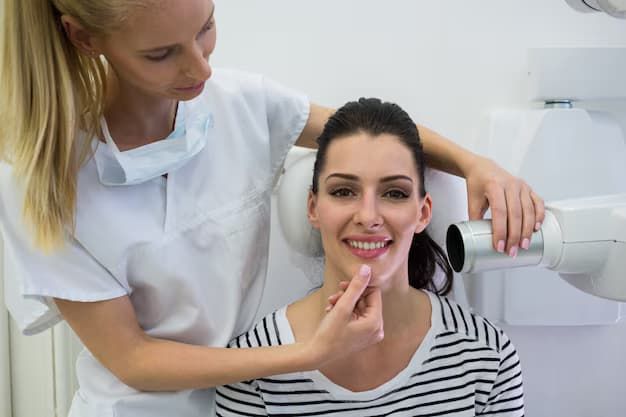
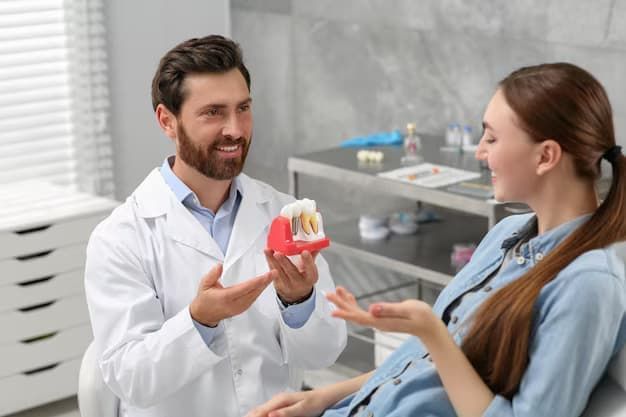
Some patients come in for jaw discomfort. Others mention headaches that keep returning. A few are simply curious why their face looks more tense or aged, even when life hasn’t changed much. These concerns often share a common root that is easy to miss at first. One modern approach that often supports both function and facial balance is Botox treatment. At Martinez & Martinez Family Dental Care, we take these concerns seriously because they are often connected to daily habits that go unnoticed for years.
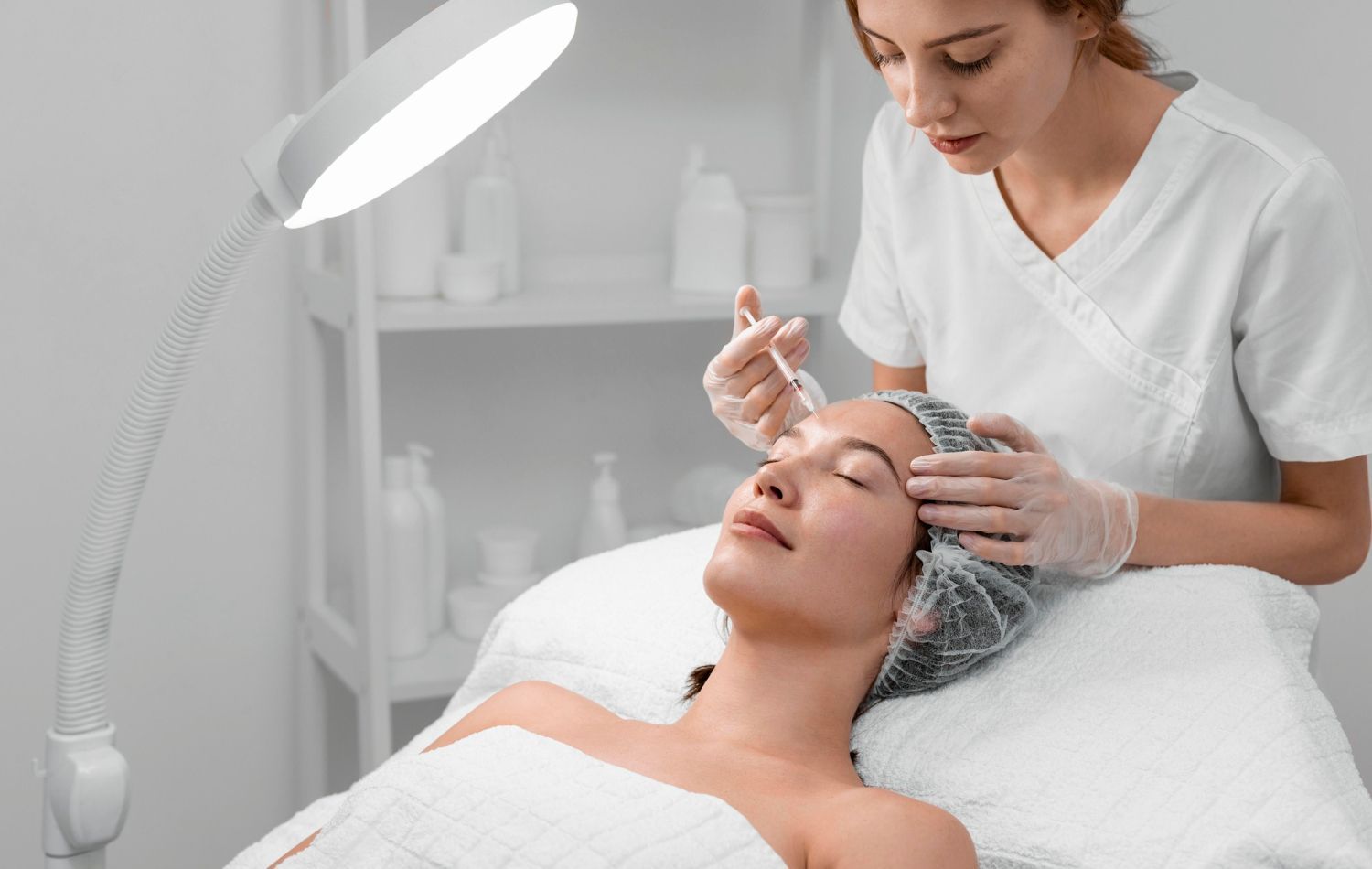
When muscle tension builds in the jaw or face, it doesn’t stay in one place. It spreads into surrounding muscles, affecting comfort, sleep, and even expression. Understanding how this happens helps patients make more informed choices about care.
The Silent Strain Behind Everyday Jaw Tension
Many people clench or grind their teeth without realizing it. Stress, posture, and even screen time can contribute to this habit. Over time, these repeated muscle contractions create tightness in the jaw and temples.
This is where Botox treatment can play a supportive role in reducing overactive muscle activity. It is not about changing who someone is; it is about helping muscles relax to reduce strain and discomfort. When muscles are no longer working overtime, patients often notice fewer headaches and less pressure in the jaw area.
When Jaw Pain Becomes a Daily Disruption
Jaw pain is often ignored until it starts affecting everyday life. What begins as mild discomfort can slowly turn into a constant issue that impacts eating, speaking, and even sleep. Over time, this ongoing strain can interfere with normal routines and reduce overall comfort.
- Daily chewing becomes tiring, especially with tougher or chewier foods.
- Morning jaw stiffness may indicate nighttime clenching or grinding habits.
- Headaches can develop from repeated muscle strain around the jaw joint.
When these symptoms persist, it is a sign that the jaw muscles and joints are under continuous stress. Early attention helps prevent worsening discomfort and long-term complications.
TMJ Strain and the Cycle of Muscle Overuse
Temporomandibular joint (TMJ) issues often involve a cycle: tension leads to discomfort, discomfort leads to more clenching, and clenching increases tension. Breaking this cycle is key to long-term relief.
For some patients, Botox treatment helps interrupt that cycle by reducing excessive muscle force. When the jaw muscles are less active, the joint is under less stress, which may improve comfort during daily activities like chewing or speaking.
We often remind patients that TMJ symptoms rarely appear overnight. They build gradually, which is why early attention can make a meaningful difference in long-term outcomes.
Facial Tension and Changes in Expression Over Time
Facial muscles are used constantly throughout the day, often without awareness. Repeated clenching, stress, and jaw overuse can slowly change how the face feels and even how it appears at rest. These changes usually build gradually and become noticeable only after discomfort sets in.
- Brow and jaw muscles may stay tight even during rest or relaxation.
- Constant muscle activity can create a tired or strained facial appearance.
- Over time, expression lines may deepen due to repetitive tension.
Recognizing these early signs helps address underlying muscle imbalance before it becomes a long-term concern. Proper care supports both comfort and natural facial movement.
Function, Comfort, and Everyday Living
When facial and jaw muscles are overworked, everyday tasks can feel heavier than they should. Chewing, smiling, and even resting the face can become uncomfortable over time.
In supportive cases, Botox treatment is used to reduce unnecessary muscle strain so patients can return to more natural function. The goal is not cosmetic change alone; it is improved comfort during daily life.
We also look at contributing factors like bite alignment, missing teeth, and grinding habits because muscle tension rarely exists in isolation.
Safety, Precision, and Clinical Responsibility
Any treatment involving facial muscles requires careful evaluation. Dosage, placement, and patient history all matter. When used appropriately, Botox treatment is a controlled, targeted approach that works within the body’s natural muscle system.
We always begin with a detailed assessment to understand the root cause of symptoms. This ensures that care is appropriate and aligned with each patient’s needs rather than a one-size-fits-all solution.
At Martinez & Martinez Family Dental Care, we prioritize conservative care first and explore supportive options only when they are clinically appropriate.
A Closer Look at Long-Term Relief
Patients dealing with chronic jaw tension often try multiple solutions before finding lasting relief. Mouthguards, stress management, and posture correction can all help, but sometimes muscle overactivity continues despite these efforts.
In these cases, Botox treatment may be considered as part of a broader care plan. It works best when combined with habit awareness and dental evaluation, rather than used alone.
We believe long-term relief comes from understanding the full picture, not just treating symptoms in isolation.
Conclusion
Jaw tension, headaches, and facial fatigue are often connected in ways patients do not immediately recognize. Addressing these concerns early can prevent long-term discomfort and improve quality of life. In carefully selected cases, Botox treatment may help reduce muscle strain and restore balance in facial function.
At Martinez & Martinez Family Dental Care, we focus on identifying the real source of discomfort so care is thoughtful, precise, and effective. Botox treatment is not about changing appearance; it is about improving comfort where it matters most.